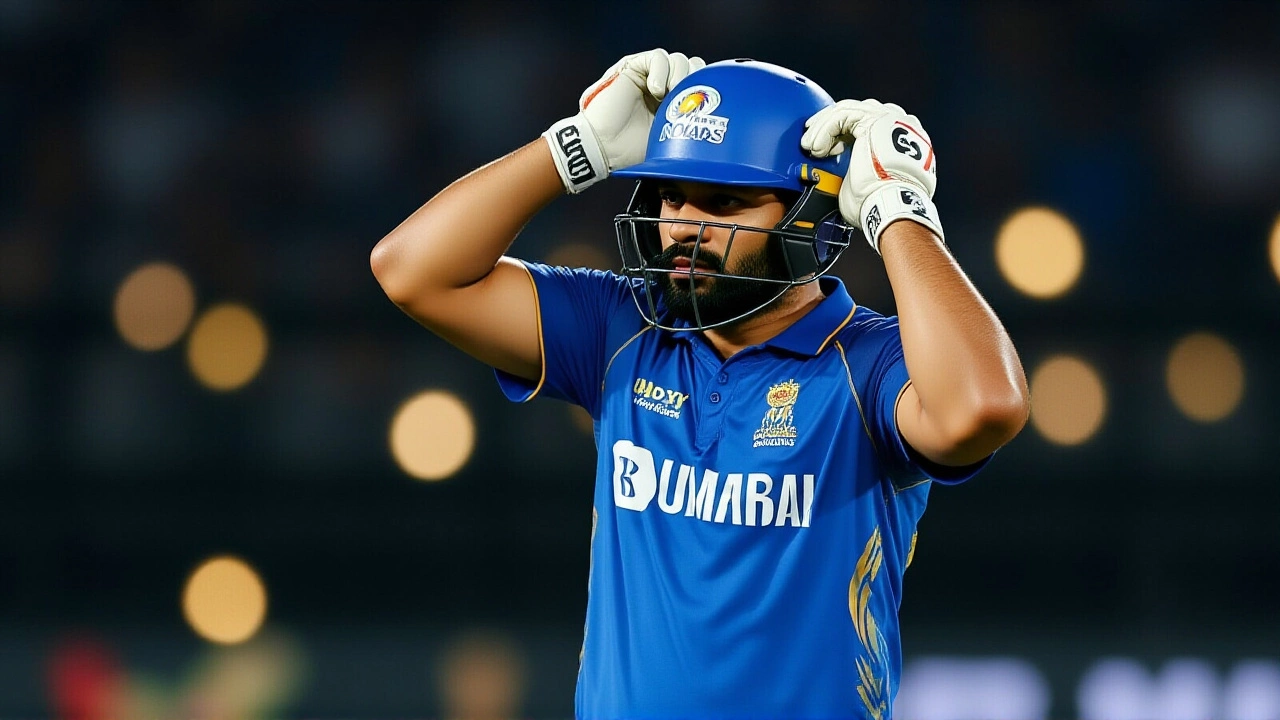
When Rohit Sharma, the charismatic former captain of Team India, announced his retirement from Test cricket on May 7, 2025, it wasn’t just a farewell to red-ball cricket—it was the beginning of a dramatic reshuffle at the top. In a candid moment that has since rippled through the cricketing world, Rohit admitted that his singular dream was winning a World Cup, and when that specific ambition felt unfulfilled in the way he envisioned, he chose to step back. But here’s the twist: shortly after retiring from Tests, he was also removed as the One Day International (ODI) captain, handing the reins to Shubman Gill.
The news broke via an Instagram story where Rohit shared a photo of his Test cap, writing, "Hello, I want to inform you all that I am retiring from Test cricket. Representing my country in white cricket is a matter of pride for me." It was a graceful exit, but the context behind it reveals a deeper narrative about leadership, legacy, and the shifting tides within the Board of Control for Cricket in India (BCCI).
The Dream That Defined a Career
Here’s the thing about Rohit Sharma: he’s been there for almost everything big in Indian cricket over the last two decades. Born in Nagpur in 1987, he rose from domestic obscurity to become one of the most destructive openers in history. He holds the record for the highest individual score in ODIs—264 runs—and is the only player to hit three double centuries in the format. Yet, despite leading India to victory in the 2024 T20 World Cup and the 2025 ICC Champions Trophy, Rohit revealed in a recent interview with a Hindi news channel that his personal "dream" was specifically tied to winning a World Cup title in a way that resonated deeply with him.
"My dream was only to win the World Cup," he said, referring to both the T20 and the 2023 ODI tournaments. "Whether it was the T20 World Cup or the 2023 ODI World Cup..." The sentence trailed off in the clip, leaving fans and analysts speculating. Did he feel the 2023 loss weighed heavier than the 2024 win? Or was it about the manner of victory? The details are still unclear, but the emotional weight was palpable. For a player who had already won the 2007 T20 World Cup and the 2013 Champions Trophy as a key contributor, the pressure of being the man in charge must have been immense.
A Strategic Shift in Leadership
But wait—the retirement from Tests was only half the story. The real shock came when the BCCI announced the squad for the upcoming ODI series against Australia. Rohit Sharma was no longer the captain. Instead, Shubman Gill was appointed to lead both the Test and ODI sides, while Suryakumar Yadav retained the T20 captaincy.
This move seemed to contradict the BCCI’s previous stance under Virat Kohli, where the board insisted on having a single captain across all formats to maintain consistency. When Kohli stepped down from T20s, he lost the other caps too. Then, when Rohit took over, he held all three. Now, the board has split the roles again. Why?
BCCI officials cited "balance and coordination" as the primary reasons. They argued that having one leader for the long-format games (Tests and ODIs) would streamline decision-making and reduce the physical toll on players. With Shubman Gill emerging as a solid performer in both arenas, the logic seems sound on paper. But critics argue it undermines the stability Rohit provided during his tenure.
Rohit’s Response: A Collaborative Decision
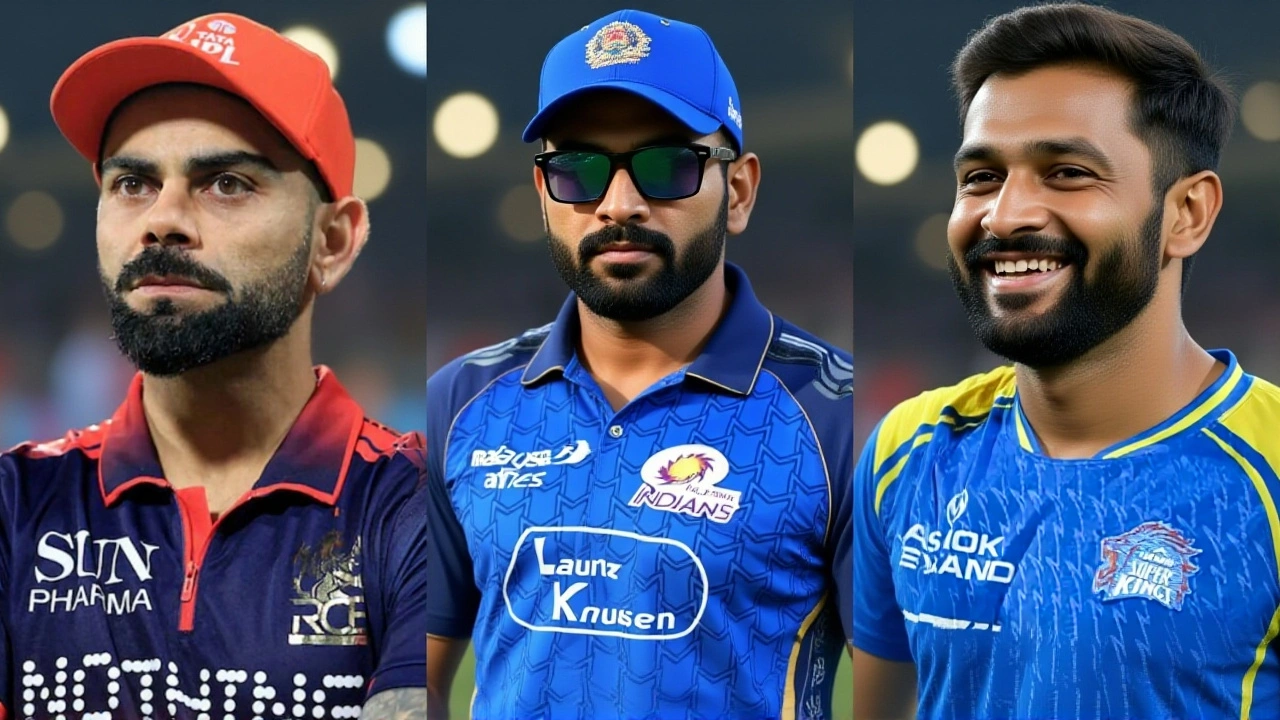
Interestingly, Rohit didn’t seem bitter about the change. At a CEAT event, he gave his first public reaction, stating that the decision to step down as ODI captain came after discussions with the selection committee. "It was a mutual understanding," he implied, suggesting this wasn’t a forced ouster but a planned transition. This nuance is crucial. It frames the shift not as a rejection of Rohit’s abilities, but as a strategic evolution for the team.
Still, the optics are tricky. Fans are left wondering if the BCCI is prioritizing youth over experience. After all, Rohit is 39 years old, but his form in white-ball cricket remains sharp. His five IPL titles with Mumbai Indians prove his tactical acumen isn’t fading. So, why let go of such a seasoned leader so soon?
What This Means for Indian Cricket
The ripple effects of this decision will be felt for years. Shubman Gill now carries the weight of expectation, tasked with leading India in the next ODI World Cup cycle. Suryakumar Yadav continues to innovate in T20s, while Rohit Sharma transitions into a senior statesman role, focusing purely on limited-overs batting.
For the BCCI, this is a gamble. If Gill succeeds, they’ll look prescient. If he struggles, the criticism will mount. Meanwhile, Rohit’s legacy is already secure—he’s one of the few captains to win multiple ICC trophies. But his admission about the "unfulfilled dream" adds a layer of poignancy to his career. It reminds us that even legends have moments of doubt, and sometimes, stepping away is the bravest move of all.
Background: A Career of Firsts
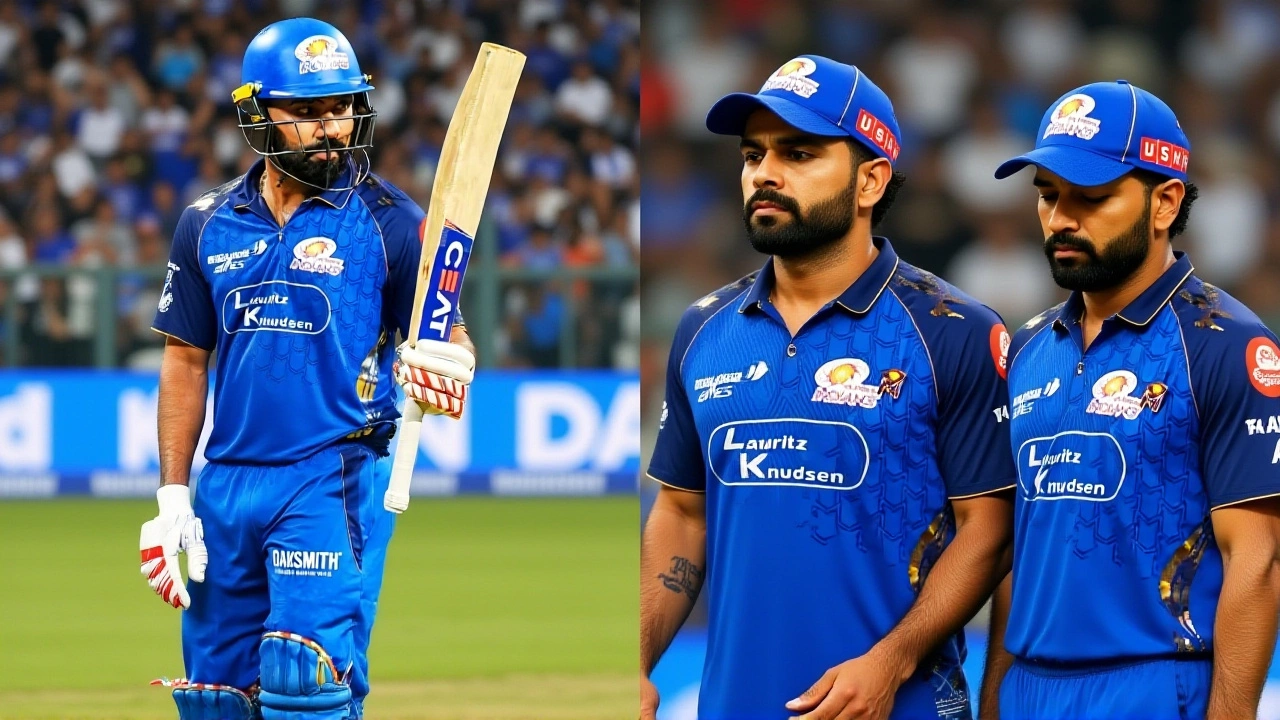
To understand the magnitude of Rohit’s impact, consider his achievements. He is the only batsman to score three double hundreds in ODIs. He led Mumbai Indians to five IPL championships, making him the tournament’s most successful captain. Internationally, he played pivotal roles in India’s 2007 T20 World Cup win and the 2013 Champions Trophy triumph. More recently, he captained India to victories in the 2024 T20 World Cup and the 2025 Champions Trophy.
His style—elegant, aggressive, and fearless—redefined opening in the modern era. Now, as he steps back from the longest format, the question remains: Will India miss his presence in the dressing room? Or will this new structure breathe fresh life into the team? Only time will tell.
Frequently Asked Questions
Why did Rohit Sharma retire from Test cricket?
Rohit Sharma retired from Test cricket on May 7, 2025, citing a desire to focus on white-ball formats and acknowledging that his personal dream of winning a World Cup in a specific manner remained unfulfilled. He expressed pride in representing India in white cricket and wished to continue contributing in that arena.
Who replaced Rohit Sharma as ODI captain?
Shubman Gill was appointed as the new captain for both the Test and ODI teams. This move aimed to consolidate leadership under one player for longer formats, while Suryakumar Yadav retains the T20 captaincy.
Was Rohit Sharma forced out of the captaincy?
No, Rohit stated that the decision to step down as ODI captain was made after discussions with the selection committee. He described it as a mutual understanding rather than a unilateral imposition by the BCCI.
What major trophies has Rohit Sharma won as captain?
As captain, Rohit Sharma led India to victory in the 2024 ICC T20 World Cup and the 2025 ICC Champions Trophy. He also previously contributed as a key player to the 2007 T20 World Cup and 2013 Champions Trophy wins.
How does this affect India’s preparation for future World Cups?
The change introduces a new leadership dynamic with Shubman Gill taking charge. While it offers fresh energy, it also brings uncertainty as Gill adjusts to the pressures of international captaincy ahead of the next ODI World Cup cycle.